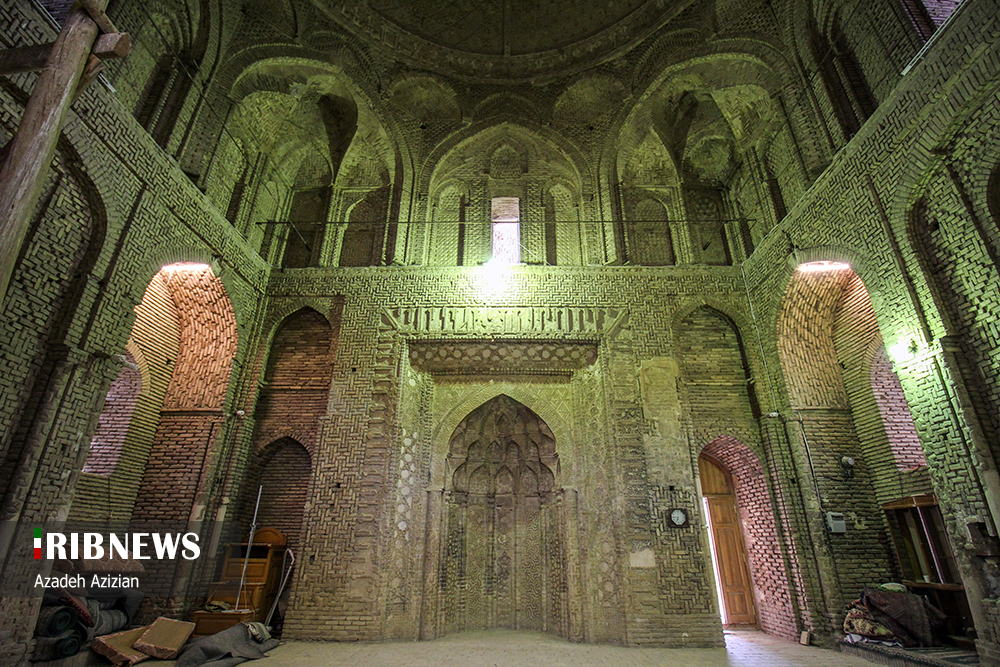
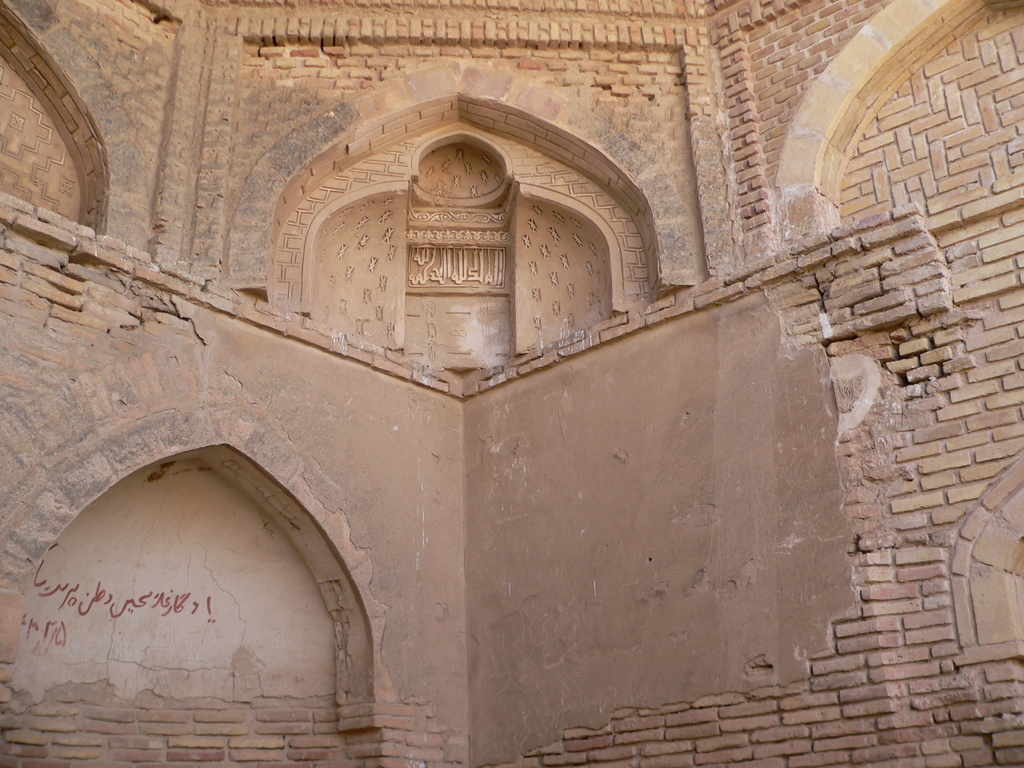
Typology and Distribution of Squinches in the Transition Zones of Seljuk Square Chambers in Iran
DOI:
https://doi.org/10.15320/ICONARP.2026.358Keywords:
Iran, Seljuks, Squinches, Transition zonesAbstract
The construction of domes on square-plan chambers in Iranian architecture can be traced back to the pre-Islamic era. In order to address the challenge of building a dome with a circular cross-section on a square space, a transition zone was created using four squinches, with the objective of altering the geometry of the cross-section and making it closer to a circular shape. During the Great Seljuk era, the construction of domes on square-plan spaces became a common practice, with various squinch techniques employed in the transition zones. This paper examines forty-one existing Seljuk chambers in Iran and classifies the squinches in their transition zones into four types: predominantly shouldered arches, Patkaneh, Patkin, and Sekonj. Shouldered arches are principally observed in the transition zones of structures situated in the north-western and north-eastern regions, with a few instances noted in the northern and central parts of the country. The majority of Patkaneh squinches are located in the central region of Iran. Four cases with distinct geometric solutions in the transition zones are situated in north-west Iran, and one example is located in north-east Iran. Additionally, three instances of the Patkin squinch can be observed in a caravanserai located in the north-eastern region. In the northern region, two chambers were identified in two caravanserais with Sekonj squinches in transitional zones. The use of these different squinch techniques reflects the regional preferences in architectural styles and the adaptability of Seljuk builders to local materials and construction methods. This study contributes to the scientific understanding of Iranian architectural history by classifying the squinch techniques used in Seljuk domed chambers. The analysis of forty-one structures provides insights into regional construction practices, geometric innovations, and the evolution of transition methods. The proposed typology enriches architectural historiography and provides a foundation for further comparative studies on structural solutions in Islamic and pre-Islamic architecture.
Metrics
References
Anisi, A. (2023a). Saljuq Architecture in Iran; Masjid-i Jam‘ of Marand. PAZHOHESH-HA-YE BASTANSHENASI IRAN. 13(37). 314–330. https://dx.doi.org/10.22084/NB.2023.28232.2621
Anisi, A. (2023b). Saljuq Architecture in Iran: The Friday Mosque of Urmiya, Iranian Studies. 57(1). 1-24. DOI: 10.1017/irn.2023.62.
Anisi, A. (2006). The Friday Mosque at Simnān. Iran, 44(1), 207–228.
https://doi.org/10.1080/05786967.2006.11834687
Akbari, A. (2009). Comparison of the borders of the Seljuks and Sasanians and the similarity of their military structure", Tarikh, 4(12). 7–23. Available at: https://sid.ir/paper/184920/fa [Accessed: 12 May 2023]
Akbari, A. (2011). The Influence of Sasanian Art and Architecture in the Seljuk Era. Journal of Jurisprudence & History of Civilization, Iran. 7(27). 79-103. Available at: https://www.sid.ir/paper/193854/fa
Aslanapa, O., (1993). Turk Sanati. Remzi Kitabevi. Istanbul.
Arab, K. (2006). Deir Kaj Caravanserai (Mohammad Abad Stony Caravanserai). Athar. 40-41, . 96-115. Available at: https://ensani.ir/fa/article/277273/%DA%A9%D8%A7%D8%B1%D9%88%D8%A7%D9%86%D8%B3%D8%B1%D8%A7%DB%8C-%D8%AF%DB%8C%D8%B1-%DA%A9%D8%A7%D8%AC-%D9%82%D9%84%D8%B9%D9%87-%D8%B3%D9%86%DA%AF%DB%8C-%D9%85%D8%AD%D8%AF-%D8%A2%D8%A8%D8%A7%D8%AF-%D9%82%D9%85%D8%B1%D9%88%D8%AF-
Abazov, R. (2008). The Palgrave Concise Historical Atlas of Central Asia. Palgrave Macmillan. ISBN 978-1-4039-7542-3. https://doi.org/10.1057/9780230610903
Alkadi, R. M. (2016). The Origin of the Islamic Ribbed Vaults Famed in North Africa and Spain. PhD Thesis, Universidad Politécnica de Madrid. https://doi.org/10.20868/UPM.thesis.47687
Ashori, A.R., Sheikhi, M.T. (2015). Continuity of the Sasanid Motifs in the Analysis of Three Stucco Works of Seljuk Era (Case Study: Altars of Robat-e Sharaf and Mosque of Gonbad-e Sangan). 7(13). 61-80. DOI: 10.30480/VAA.2015.231
Asgari, Z., Chareie, A. (2020). Comparative Study of the Structure and Decorations of the Kufic Script Inscription of Jame Mosque and Heydarieh Mosque in Qazvin. Negareh Journal. Available at: https://www.sid.ir/paper/1031375/en
Ardalan, N., Bakhtiar, L. (2000). The Sense of Unity : The Sufi Tradition in Persian Architecture (in Persian). Kazi Publications, Inc.
Behzadpour, M., Aminpour, H. (2021). A study on Se Gonbad tomb of Urmia. Journal of Contemporary Research in Science and Research. 4(40). 66-77 ISSN: 2676-5764. Available at: https://ensani.ir/fa/article/531503/%D8%A8%D8%B1%D8%B1%D8%B3%DB%8C-%D9%85%D9%82%D8%A8%D8%B1%D9%87-%DB%8C-%D8%B3%D9%87-%DA%AF%D9%86%D8%A8%D8%AF-%D8%A7%D8%B1%D9%88%D9%85%DB%8C%D9%87
Benghida, D. (2015). Adobe Bricks: The Best Eco-Friendly Building Material. Vol. 1105, 386-390. https://doi.org/10.4028/www.scientific.net/AMR.1105.386
Bakhtiari, M. (2012). A Study of Architecture and Decorations of Sojas Great Mosque in the Khodabandeh city. Archaeology Journal of Islamic Azad University of Hamedan )Kand o Kav Journal(. 4(5). available at: https://www.academia.edu/6405805/Kand_o_Kav_Journal_Vol_4_No5_%D9%85%D8%AC%D9%84%D9%87_%DA%A9%D9%86%D8%AF%D9%88%DA%A9%D8%A7%D9%88_%D8%B3%D8%A7%D9%84_4_%D8%B4%D9%85%D8%A7%D8%B1%D9%87_5
Duarte, G., Brown, N., Memari, A., Duarte, J. P. (2021). Learning from historical structures under compression for concrete 3D printing construction. Journal of Building Engineering, 43, 103009. https://doi.org/10.1016/j.jobe.2021.103009
Ettinghausen, R., Grabar, O., Jenkins-Madina, M. (2001). Islamic Art and Architecture 650-1250. Yale University Press. ISBN 9780300088670.
Edwards, C., Edwards, D. (1999). The Evolution of the Shouldered Arch in Medieval Islamic Architecture. Architectural History, SAHGB Publications Limited. 42. 68-95. available at: http://www.jstor.org/stable/1568705 .
Golzari, E, Rabb, P. (2022a). Earthen Squinches as a Sustainable Element in Iranian Architecture. In: Kerpic22; Re-Thinking Earthen Architecture for Sustainable Development, 9th International Conference. Turkey. e-ISBN: 9786054797516
Golzari, E., Rabb, P. (2022b). Revisiting the Geometry of the Transition Zone Using Filposh Squinches in Ardeshir Palace. Építés – Építészettudomány, 50(3–4). 351–364.
DOI: 10.1556/096.2022.00079
Golzari, E., Rabb, P. (2023). The Typology of Transition Zones with Shouldered Arches in Iranian Seljuk Structures: Architecture Evolving from Sasanian to Seljuk. Periodica Polytechnica Architecture, 54(3). 29–237. https://doi.org/10.3311/PPar.22510
Golchin, H., SalehiKhaki, A., Jabalameli, A. (2017). Explanation of Geometrical System of zone of transition in Gonbad-e Sorkh in Comparison with Common Pattern of Seljuk’s Zone of Transition. Nazar e -Bagh, 14(57). 75–84. available at: https://www.bagh-sj.com/jufile?ar_sfile=1025299
Godard, A. (1965). The Art of Iran. Praeger.
Garshasbi, A., Malekpour Shahraki, Z. (2019). Investigation of Historical Development of Dome in Parthian Architecture. Journal of Iran's Pre Islamic Archaeological Essays). 4(1), 173-192. avialable at : https://iaej.sku.ac.ir/article_10187.html
Ghouchani, M., Mokaberian, M. (2022). Fractal Dimension of Islamic Architecture: The Structure of the "Patkaneh" in the dome of the Jame' Mosque of Ardestan, Iran. Journal of Science, Gazi University, 35(4).1233–1246. DOI: 10.35378/gujs.982321
Huff, D., O’Kane, B. (1990). AHĀRṬĀQ. Encyclopædia Iranica, IV/6, 634-642. available online at: http://www.iranicaonline.org/articles/cahartaq (accessed on 10 November 2023).
Hajloo, S., Neyestani, J. (2014). Distribution, Function and Pattern Prevailing on Structure and Ornaments of Seljuq Monuments in Barkhar Province of Isfahan. Cultural History Studies (Pejuhesh Nameh Anjoman-e Iraniye Tarikh), 5(18). 1–32. available at http://chistorys.ir/article-1-159-en.html
Hosseini, S.B. (1999). Restoration, from meaning to form (maremat, az manaa ta shekl). Journal Honar-haye Ziba, 6. 90-101. available at : https://jhz.ut.ac.ir/article_14009.html
Jabalameli, A., (2013). The history of developments in Isfahan Jame Mosque. Athar. 40 (1), 9–106. available at: https://journal.richt.ir/athar/article-1-53-fa.pdf
Hillenbrand, R. (1972a). Saljuq Monuments in Iran: I. Oriental Art, 18(1). pp. 64–77. available at: https://www.academia.edu/33130658/Robert_Hillenbrand_Saljuq_Monuments_in_Iran_I_Oriental_Art_N_S_XVIII_1_1972_64_77
Hillenbrand, R. (1972b). Saljuq Monuments in Iran: II. The "Pir" Mausoleum at Takistan. Iran, 10. 45–55. https://doi.org/10.2307/4300464
Haji Qassemi, K. )2010a). Ganjnameh Cyclopaedia of Iranian Islamic Architecture (Vol 1): Mosques. Shahid Beheshti University, Iran.
Haji Qassemi, K. )2010b) Ganjnameh Cyclopaedia of Iranian Islamic Architecture (Vol 11): Imamzadeh and Tombs. Shahid Beheshti University, Iran.
Haji Qassemi, K. (1996). Treasure Letter of Islamic Iranian Architecture, Mosques (the sixth chapter). Shahid Beheshti University Pub, Tehran.
Hatami, A. (2017). Jame Mosque of Semnan. In Encyclopaedia of the Islamic World, Volume 24 (Secularism - Sunan), 581–582.
Hagras, H.M. (2023). The Architectural Characteristics of the Seljuk Domes in Isfahan’s Mosques. Journal of Architecture, Arts and Humanistic Science. 8(37). Serial Number 37. 868–890.. DOI: 10.21608/MJAF.2021.57000.2162
ICHDC - Iranian Cultural Heritage Documention Center. (1999). Ribat of Sharaf. General Directorate of Cultural Heritage, Handicrafts and Tourism of Khorasan Razavi ProvinceTourism portal of Khorasan Razavi province.
Korn, L., (2017). Qorveh Jame Mosque (Zanjan Province); A case study for studying the history of Iranian architecture and Sunni religious politics in the 6th century AH/12th century AD. Athar. 38 (77): 83–96. available at: http://journal.richt.ir/athar/article-1-748-fa.html&sw=
Korn, L. (2018). The Great Mosque of Qerve. Materials for the History of Architecture and Religious Politics of the 6th/12th century. Athar Journal, 77.83–96. ISSN : 1024-2647. available at : https://fis.uni-bamberg.de/entities/publication/2c92cc2a-59a8-4a5c-af30-79470f588199
Korn, L. (2012a). The Great Mosque of Golpaygan: Architectural documentation and archaeological research, 2007–2008. Masons at Work, Editted by Robert Ousterhout, Renata Holod, and Lothar Haselberger, University of Pennsylvania, Phialdelphia, PA. 1–12. Available at: https://www.sas.upenn.edu/ancient/publications.html
Korn, L., (2012b). Architecture and Ornament in the Great Mosque of Golpayegan (Iran). in Beiträge zur Islamischen Kunst und Archäologie. 212–236. available at: https://www.academia.edu/5577063/Architecture_and_Ornament_in_the_Great_Mosque_of_Golpayegan
Korn, L. (2019). The Great Mosque of Borujerd (Masjed-e Jāme); Aspects of Architectural Design and Contruction in the Seljuk Era. Athar. 34 (61): 29–66. available at: http://journal.richt.ir/athar/article-1-53-fa.pdf
Korn, L. (2020). Ribat-i Mahi (Khurasan-i Razavi, Iran): Evidence of a Saljuq Building Inscriptio. Otto-Friedrich-Universität Bamberg, DOI: 10.20378/irb-47010
Khosravi Javid, T. (2020). The Jama Masjid and the Minaret of Barsiān, Isfahan; Explanation, and Visualization on the Entry "Barsiān, Mosque" from the Great Islamic Encyclopedia Vol. 11 by Hayedeh Lalah. Irānshenāsi Iranology of Journal. 2.2.(4). 78–105. available at: https://journals.ut.ac.ir/article_77451.html?lang=en
Kakhaki, A.S., Azizpour, SH., Rahimi Ariayi, A., Bank, B. (2014). The Analysis of Space-Frame Structure of the Jame’ Mosque of Ardestan with Separation of its Historical Layers. Maremat & Me’mari-e Iran, 4(8). 33–46. available at: https://mmi.aui.ac.ir/article-1-49-fa.html
Mashkoti, N. (1941). Jame Mosque of Qazvin. Iran Emroz. 4(9-10). 17–22. available at: https://ensani.ir/fa/article/281461/%D9%85%D8%B3%D8%AC%D8%AF-%D8%AC%D8%A7%D9%85%D8%B9-%D9%82%D8%B2%D9%88%DB%8C%D9%86
League, A. (2010). Seljuq Dynasty 1037-1194 (AD). English Wikipedia, [online] Available at: https://en.m.wikipedia.org/wiki/File:Seljuq_Dynasty_1037-1194_%28AD%29.png [Accessed: 10 May 2024]
Lapidus, I. M. (2014). A History of Islamic Societies. Cambridge University Press. ISBN 9780521514309.
Memarian, GH., Safaeipour, H. (2012). Iranian Architecture Niyaresh, First volumn. (Memaria Irani Niyaresh), Naghme Noandish publication, Iran.
Maxim, S. (1970). Iranian caravanserais and small structure along the route (Essa Behnam, Trans.). Tehran: National organization for the protection of ancient art.
Mosavi Haji, S.R., Bahoo, M.R., Shahsavari, M. (2008). An architectural structure in the political and social context of its era; Tomb of Khaje Atabak. Iranian Studies Journal. 7(13), 229–245. available at: https://www.academia.edu/13002081/%DB%8C%DA%A9_%D8%B3%D8%A7%D8%B2%D9%87_%D9%85%D8%B9%D9%85%D8%A7%D8%B1%DB%8C_%D8%AF%D8%B1%D8%A8%D8%B3%D8%AA%D8%B1_%D8%B3%DB%8C%D8%A7%D8%B3%DB%8C_%D9%88_%D8%A7%D8%AC%D8%AA%D9%85%D8%A7%D8%B9%DB%8C_%D8%B9%D8%B5%D8%B1_%D8%AE%D9%88%D8%AF_%D9%85%D9%82%D8%A8%D8%B1%D9%87_%D8%AE%D9%88%D8%A7%D8%AC%D9%87_%D8%A7%D8%AA%D8%A7%D8%A8%DA%A9
Mollazadeh, K. (1999). Encyclopaedia of historical monuments of Iran in the Islamic period: historical mosques. Soureh Mehr, Iran. (in Persian)
Memarian, G. H., Soltanahmadi, B., Azarnoush, M. (2017). New Theory about the First Chapire with Squinch Rip in Iran's Architecture History. Journal of Iranian Architecture and Urbanism (JIAU), 8(2).75–84. https://doi.org/10.30475/isau.2018.62066
Morvarid, Y., (1993) Maragheh (Afzare Rood), Tehran. Iran. (in Persian)
Mohammadi, M., Neyestani, J., Hojabri Nobari, A. R. (2012). A study on the historical shrine of Emamzadeh Aghil of Yasokand, Bijar. Journal of Archaeological Studies, 4(2), 221–237. https://doi.org/10.22059/jarcs.2012.35383
Molazade, K., Mohammadi, M. (1999). Burial Buildings (in Persian). Islamic Culture and Art Research Center, Surah Mehr Publishing House, Iran.
Nikzad, Z., Esfanjari Kenari, I. (2006). Architectural research of Hassan Abad Yasukand historical tomb in Bijar (Aqeel Imamzadeh). Proceedings of the 3rd Congress of Architectural History and History of urban planning in Iran, pp.483–519. available at: https://www.academia.edu/42659997/%D9%BE%DA%98%D9%88%D9%87%D8%B4_%D9%85%D8%B9%D9%85%D8%A7%D8%B1%DB%8C_%D8%A2%D8%B1%D8%A7%D9%85%DA%AF%D8%A7%D9%87_%D8%AA%D8%A7%D8%B1%DB%8C%D8%AE%DB%8C_%D8%AD%D8%B3%D9%86_%D8%A2%D8%A8%D8%A7%D8%AF_%DB%8C%D8%A7%D8%B3%D9%88%DA%A9%D9%86%D8%AF_%D8%AF%D8%B1_%D8%A8%DB%8C%D8%AC%D8%A7%D8%B1_%D8%A7%D9%85%D8%A7%D9%85%D8%B2%D8%A7%D8%AF%D9%87_%D8%B9%D9%82%DB%8C%D9%84_Architectural_research_of_Hassan_Abad_Yasukand_historical_tomb_in_Bijar_Aqeel_Imamzadeh_
Peacock, A. C. S. (2015). The Great Seljuk Empire. Edinburgh University Press. ISBN 9780748638260
Neyestani, J., Hatamian, M.J, Mousavi Koohpar, S.M., Hatam, Gh. A. (2012). Analysis of Continuity of chahar taqi Architecture from Sassanian to Islamic Period in Iran with Emphasis on Archetypal Method of Critic. Journal of Historical Sociology, Tarbiat Modares University Press, 4(2), 173-191. URL: http://jhs.modares.ac.ir/article-25-5399-en.html
Nasrollahi, A. (2016). Zavareh Jame Mosque; Introduction and Analysis of the Physical Structure. Athar. 34(62). 87–106. availabe at: http://journal.richt.ir/athar/article-1-48-fa.html
Pirnia, M. K. (1991). Dome in Iranian architecture (Gonbad dar memari Irani). Athar journal, 20. available at: https://www.sid.ir/paper/455498/fa
Pirnia, M. K. (2019). Stylistics of Iranian Architecture (Sabk shenasi Memari Islami Iran). Memarian Publishing, Iran.
Salehi Kakhaki, A., Azizpour, SH. (2012) Contemplating the Inscriptions and Motifs of Zavareh Jame Mosque. Journal of Archaeology. 2(2). 97–120. available at: https://nbsh.basu.ac.ir/article_431.html?lang=en
Raoufi, Z., Khajehpour, M. (2021). An Approach to Enhance the Validity of Qualitative Evaluations in Conservation Interventions of Historical Monuments Case Study: Khajeh Atabak Tomb in Kerman. Bagh-e Nazar Journal, 18(96), 5–18. DOI: 10.22034/bagh.2020.234876.4566
Shahnawaz, A., Mousavi-Rozati, M., Zarini, H., Khorram, B., Sabunian-Yazd, M., Haji-Qasmi, K., Rasouli, J., Nourbakhsh, H. (2013). Ganjnameh: Culture of Iranian Islamic Architecture Works: English Book of Jame Mosques. Tehran, Rozneh, Shahid Beheshti University.
Safaeipour, H., Memarian, Gh.H., Bemanian, M.R. (2013). Understanding the Essence of Patkâné Vaulting through Analyzing Primitive Cases in Persian Architecture. Journal of Iranian Architecture Studies, 3(5). 5–19. available at: https://jias.kashanu.ac.ir/article_111720.html?lang=en
Shani, R. (1996). A Monumental Manifestation of the Shi'ite Faith in Late Twelfth-century Iran: Case of the Gunbad-i 'Alawiyan, Hamadan. Oxford Studies in Islamic Art. Oxford University Press.
Salehi Khaki, A. Azizpour, SH. Rahimi Ariyayi, A. (2013). Understanding the Architectural Features and Inscriptions of the Seljuk Period of the Dome of the Taj-ul-Mulk of the Isfahan Jame Mosque. Athar. 35(64). 49–66. available at: http://journal.richt.ir/athar/article-1-30-fa.html
Tajvidi, A. (1971). Continuity in Iranian architecture. Honar va Mardom. 2–17. available at: https://ensani.ir/fa/article/68488/%D8%AA%D8%AF%D8%A7%D9%88%D9%85-%D8%AF%D8%B1-%D9%85%D8%B9%D9%85%D8%A7%D8%B1%DB%8C-%D8%A7%DB%8C%D8%B1%D8%A7%D9%86
Vandaee, M. (2015). Ancient Persia architecture Chahar Taqi. Sarzamine Man, Mahname Iranshenasi (Monthly Iranology). 64-69. available at: https://www.academia.edu/20210828/Ancient_Persia_architecture_Chahar_Taqi_%DA%86%D9%87%D8%A7%D8%B1%D8%B7%D8%A7%D9%82%DB%8C_%D9%85%D8%B9%D9%85%D8%A7%D8%B1%DB%8C_%D8%A7%DB%8C%D8%B1%D8%A7%D9%86_%D8%A8%D8%A7%D8%B3%D8%AA%D8%A7%D9%86 (accessed on 10 November 2023).
Wahdattalab, M., Ghadimzadeh, S. (2018). The Study of Formal Elegance in the Iranian Domed Squares(Night to Twelfth s Hijra Centuries). Honar-Ha-Ye-Ziba-Memari-Va-Shahrsazi, 23(3). 27–40. Iran. Doi: 10.22059/JFAUP.2019.266531.672125
Zarei, M.E. (1997). Research on the investigation of Hamadan province architecture during the Islamic period. Bu-Ali Sina University, (unpublished). (in Persian)
Zaki, M. H. (1941). Iranian Industries after Islam. translated by M. A. Khalili, Iqbal, Tehran, Iran.
Zamani, M., Akbari, A. (2023). Semantic analysis of plaster arrays in Rabat Sharaf building. Iranian Civilization Research. 4(2). 65–96. DOI: 10.22103/JIC.2023.3694
LINKS
Askdin (Jame Mosque of Barsian) available at: http://askdin.com/gallery/%D9%86%D9%82%D8%B4%D9%87-%D9%87%D8%A7%DB%8C-%D9%85%D8%B3%D8%AC%D8%AF-%D8%AC%D8%A7%D9%85%D8%B9-%D8%A8%D8%B1%D8%B3%DB%8C%D8%A7%D9%86[Accessed: 28 March 2023]
Aftabnews (Jame Mosque of Barsian) https://aftabnews.ir/files/fa/news/1400/6/20/674308_849.jpg[Accessed: 24 March 2024]
Alamy (Ribat of Sharaf). avaialble at: https://www.alamy.com/stock-photo-dome-robat-i-sharaf-caravanserai-khorasan-iran-58156483.html[Accessed: 05 July 2024]
Archnet (Jame mosque of Isfahan). available at: https://www.archnet.org/sites/1621[Accessed: 15 July 2023]
Archnet (Ribat-I Sharaf). available at: https://www.archnet.org/sites/3873[Accessed: 15 July 2024]
Archnet (Jame mosque of Qazvin). available at: https://www.archnet.org/sites/1651[Accessed: 10 July 2024]
Archnet(Ribat-I Mahi). available at: https://www.archnet.org/sites/3861[Accessed: 18 June2024]
Archnet (Jame mosque of Ardebil). available at: https://www.archnet.org/sites/5426[Accessed: 03 August 2023]
Aazaranjoman (Jame Mosque of Marand). available at: https://aazaranjoman.ir/%D9%85%D8%B3%D8%AC%D8%AF-%D8%AC%D8%A7%D9%85%D8%B9-%D9%85%D8%B1%D9%86%D8%AF/#lg=1&slide=2[Accessed: 05 March 2023]
Cgie (Heydariyeh Mosque). available at: https://www.cgie.org.ir/fa/article/236724/%D8%AD%DB%8C%D8%AF%D8%B1%DB%8C%D9%87%D8%8C-%D9%85%D8%B3%D8%AC%D8%AF [Accessed: 15 July 2024]
Iran-Europe (Ribat of Sharaf). available at: https://iran-europe.de/%D9%85%D8%B9%D9%85%D8%A7%D8%B1%DB%8C-%D8%B1%D8%A8%D8%A7%D8%B7-%D8%B4%D8%B1%D9%81-%D8%A8%D9%86%D8%A7%DB%8C-%D8%A7%D8%AC%D8%B1%DB%8C-%D8%AF%D8%B1-%D8%B3%D8%B1%D8%AE%D8%B3/ [Accessed: 08 July 2024]
ISNA (Jame Mosque Haftshoyeh). available at: https://cdn.fararu.com/files/fa/news/1402/4/28/1657308_326.jpg[Accessed: 13 June 2024]
ISNA(Gonbad Sangan Mosque). available at: https://www.isna.ir/news/1402020502142/%D9%85%D8%B3%D8%AC%D8%AF-%DA%AF%D9%86%D8%A8%D8%AF-%D9%86%D9%85%D8%A7%D8%AF-%D8%B1%D9%88%D9%86%D9%82-%D8%B3%D9%86%DA%AF%D8%A7%D9%86-%D8%AE%D9%88%D8%A7%D9%81[Accessed: 20 March 2024]
Iranmonument (Gonbad Alaviyan), available at: htt ps://iranmonument.com/%da%af%d9%86%d8%a8%d8%af-%d8%b9%d9%84%d9%88%db%8c%d8%a7%d9%86/[Accessed: 20 April 2023]
Jahannews (Jame mosque of Zavare).https://www.jahannews.com/gallery/237791/1/%D8%AA%D8%B5%D8%A7%D9%88%DB%8C%D8%B1-%D9%85%D8%B3%D8%AC%D8%AF-%D8%AC%D8%A7%D9%85%D8%B9-%D8%B2%D9%88%D8%A7%D8%B1%D9%87[Accessed: 06 April 2023]
Karnaval (Ribat of Sharaf), available at: https://www.karnaval.ir/things-to-do/robat-sharaf#lg=1&slide=12[Accessed: 22 June 2024]
Lastsecond (Gonbad Sorkh). available at: https://lastsecond.ir/attractions/6082-sorkh-dome-maragheh[Accessed: 05 August 2023]
Mehr News Agency (Mohammad-Abad-stony-caravansary-) available at: https://en.mehrnews.com/photo/159255/Mohammad-Abad-stony-caravansary-in-Qom[Accessed: 13 June 2024]
Memari98 (Baba Loghman), available at: https://memari98.com/%D8%AF%D8%A7%D9%86%D9%84%D9%88%D8%AF-%D8%B1%D8%A7%DB%8C%DA%AF%D8%A7%D9%86-%D9%BE%D8%A7%D9%88%D8%B1%D9%BE%D9%88%DB%8C%D9%86%D8%AA-%D9%85%D8%B1%D9%85%D8%AA-%D9%85%D9%82%D8%A8%D8%B1%D9%87-%D8%A8%D8%A7/[Accessed: 22 April 2024]
Mybrothertraveler(Ribat of Sharaf) (2023). https://mybrothertraveler.com/asia/iran/P_06/12Iran%20-%20north%20of%20Mashhad%20-%20Robat-e-Sharaf%20Caravanserai%20-%20dome%20over%20a%20square%20base%20_2006P1080526.JPG[Accessed: 21 June 2023]
Nasimesarakhs (Baba Loghman Mausoleum), available at: https://nasimesarakhs.ir/25551 [Accessed: 22 April 2023]
Reiseniran (Jame Mosque of Mehrabad) available at: https://reiseniran.de/fa/%D9%85%D8%B3%D8%AC%D8%AF-%D8%AC%D8%A7%D9%85%D8%B9-%D9%85%D9%87%D8%B1%D8%A2%D8%A8%D8%A7%D8%AF-%D8%A7%D8%A8%D8%B1%DA%A9%D9%88%D9%87/ [Accessed: 22 March 2024]
Rajanews (Jame Mosque of Urmia). https://www.rajanews.com/news/268369/%D9%85%D8%B3%D8%AC%D8%AF-%D8%AC%D8%A7%D9%85%D8%B9-%D8%A7%D8%B1%D9%88%D9%85%DB%8C%D9%87-%DB%8C%DA%A9%DB%8C-%D8%A7%D8%B2-%D8%B4%D8%A7%D9%87%DA%A9%D8%A7%D8%B1%D9%87%D8%A7%DB%8C-%D9%85%D8%B9%D9%85%D8%A7%D8%B1%DB%8C[Accessed: 15 June 2024]
Schroeder, E. (1931). available at: https://i0.wp.com/jisforjourney.com/wp-content/uploads/2020/10/isfahan-mosque-plan.jpg?ssl=1
https://i0.wp.com/jisforjourney.com/wp-content/uploads/2020/10/isfahan-mosque-plan.jpg?ssl=1[Accessed: 06 April 2024]
Sadjad (Ribat of Sharaf) https://www.sadjad.ac.ir/news/%D8%A8%D8%A7%D8%B2%D8%AF%DB%8C%D8%AF-%D8%A7%D8%B2-%D8%B1%D8%A8%D8%A7%D8%B7-%D8%B4%D8%B1%D9%81[Accessed: 18 July 2023]
Sh-seen (Jame Mosque of Sin). https://sh-seen.ir/%D9%85%D8%B3%D8%AC%D8%AF-%D9%88-%D9%85%D9%86%D8%A7%D8%B1%D9%87-%D8%B4%D9%87%D8%B1-%D8%B3%DB%8C%D9%86/[Accessed: 18 July 2024]
Tovman (Jame Mosque of Ardestan). available at: https://tovman.ir/fa/node/1100[Accessed: 15 April 2023]
Tripyar (The tomb of Khaje Atabak in Kerman), available at: https://fa.tripyar.com/iran/%DA%A9%D8%B1%D9%85%D8%A7%D9%86/%DA%A9%D8%B1%D9%85%D8%A7%D9%86/%DA%AF%D8%B1%D8%AF%D8%B4%DA%AF%D8%B1%DB%8C/%D8%A8%D8%A7%D8%B3%D8%AA%D8%A7%D9%86%DB%8C-%D9%88-%D8%AA%D8%A7%D8%B1%DB%8C%D8%AE%DB%8C/%D8%A7%D8%A8%D9%86%DB%8C%D9%87-%D9%87%D8%A7%DB%8C-%D8%AA%D8%A7%D8%B1%DB%8C%D8%AE%DB%8C/%D8%A8%D9%82%D8%B9%D9%87-%D8%AE%D9%88%D8%A7%D8%AC%D9%87-%D8%A7%D8%AA%D8%A7%D8%A8%DA%A9-%DA%A9%D8%B1%D9%85%D8%A7%D9%86.html [Accessed: 20 April 2023]
Visitiran (Jame Mosque of Ardestan) https://www.visitiran.ir/ar/attraction/%D8%AC%D8%A7%D9%85%D8%B9-%D8%A3%D8%B1%D8%AF%D8%B3%D8%AA%D8%A7%D9%86[Accessed: 24 June 2023]
Wikimedia (Ribat of Sharaf). https://commons.wikimedia.org/wiki/File:%D8%B1%D8%A8%D8%A7%D8%B7_%D8%B4%D8%B1%D9%81.jpg[Accessed: 23 June 2024]
Wikimapia (Jame mosque of Golpayegan). available at: https://wikimapia.org/14677119/Jame-Mosque-%D9%85%D8%B3%D8%AC%D8%AF-%D8%AC%D8%A7%D9%85%D8%B9-%DA%AF%D9%84%D9%BE%D8%A7%DB%8C%DA%AF%D8%A7%D9%86[Accessed: 25 July 2023]
Wikimapia (Ali Abad Stony Caravanserai). available at: https://wikimapia.org/17988778/fa/%DA%A9%D8%A7%D8%B1%D9%88%D8%A7%D9%86%D8%B3%D8%B1%D8%A7%D9%8A-%D9%82%D9%84%D8%B9%D9%87-%D8%B3%D9%86%DA%AF%D9%8A#/photo/2006982[Accessed: 14 July 2024]
Wikipedia (Se Gobad). available at:. https://commons.wikimedia.org/wiki/File:%D8%AF%D8%A7%D8%AE%D9%84_%D8%B3%D9%87_%DA%AF%D9%86%D8%A8%D8%AF_%D8%A7%D8%B1%D9%88%D9%85%DB%8C%D9%87_-2.jpg[Accessed: 05 September 2023]
Downloads
Published
How to Cite
Issue
Section
License
Copyright (c) 2026 ICONARP International Journal of Architecture and Planning

This work is licensed under a Creative Commons Attribution-NonCommercial-NoDerivatives 4.0 International License.
COPYRIGHT POLICY
1. The International Journal of Architecture and Planning (ICONARP) open access articles are licensed under a Creative Commons Attribution-NonCommercial-NoDeriatives 4.0 International (CC BY-NC-ND 4.0). This license lets the author to share (copy and redistribute) his/her article in any medium or format.
2. ICONARP cannot revoke these freedoms as long as you follow the license terms. Under the following terms:
The author must give appropriate credit, provide a link to ICONARP, and indicate if changes were made on the article. The author may do so in any reasonable manner, but not in any way that suggests the ICONARP endorses the author or his/her use.
The author may not use the article for commercial purposes.
If the author remix, transform, or build upon the article, s/he may not distribute the modified material.
The author may share print or electronic copies of the Article with colleagues.
The author may use the Article within his/her employer’s institution or company for educational or research purposes, including use in course packs.
3. The author authorizes the International Journal of Architecture and Planning (ICONARP) to exclusively publish online his/her Article, and to post his/her biography at the end of the article, and to use the articles.
4. The author agrees to the International Journal of Architecture and Planning (ICONARP) using any images from the Article on the cover of the Journal, and in any marketing material.
5. As the author, copyright in the Article remains in his/her name.
6. All papers should be submitted electronically. All submitted manuscripts must be original work that is not under submission at another journal or under consideration for publication in another form, such as a monograph or chapter of a book. Authors of submitted papers are obligated not to submit their paper for publication elsewhere until an editorial decision is rendered on their submission. Further, authors of accepted papers are prohibited from publishing the results in other publications that appear before the paper is published in the Journal.










 ICONARP International Journal of Architecture and Planning is an OAJ supported by